


Inside the luthier’s workshop: care in every detail
In a lutherie workshop, every instrument opens a new conversation. Before working the wood or touching the setup, the luthier observes, listens and talks with the musician. Here are the steps that give this craft its full meaning.
1. Listening to the musician
The starting point is your playing experience. A discomfort, a sound you are looking for or a creative project guide the assessment. These conversations help set a concrete goal for the work.
2. Examining the instrument
The condition of the woods, joints and parts is carefully examined. This helps distinguish a setup need from a repair and set priorities.
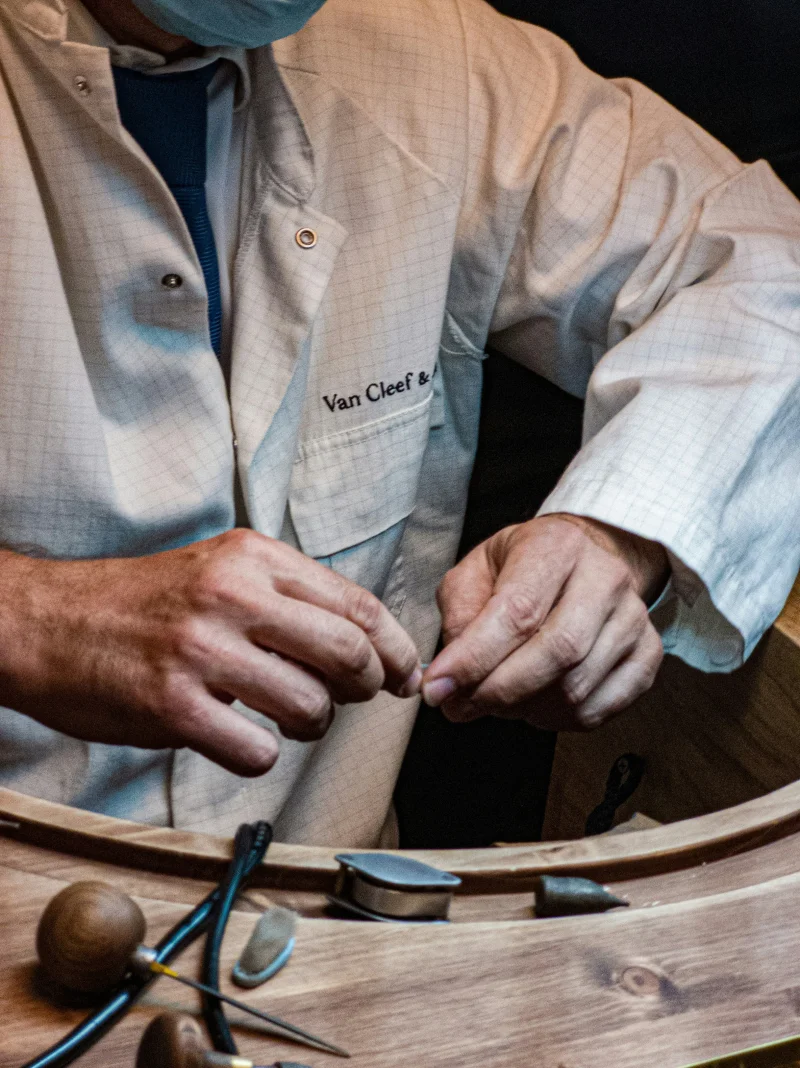
The luthier’s eye guides every stage of the work.
3. Choosing the right techniques
Every instrument has its own construction and history. Tools and methods are chosen with these particularities in mind, taking care to preserve what gives it its character.
4. Adjusting and checking
The work continues with checks and tests. Playability, intonation and balance are assessed together, in line with the expectations expressed at the start.
5. Passing on advice
Handing back the instrument is also a time for discussion. The luthier explains the work carried out and the habits that help care for it day to day.
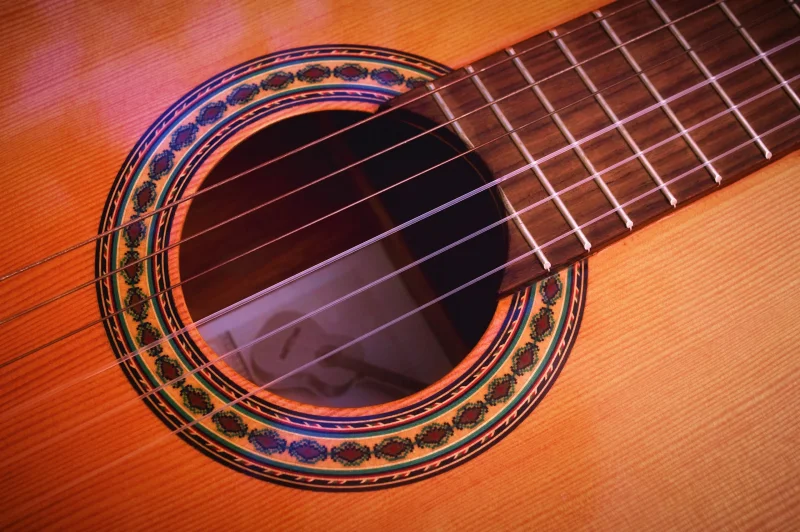
An instrument reveals itself in the details, then comes to life when played.
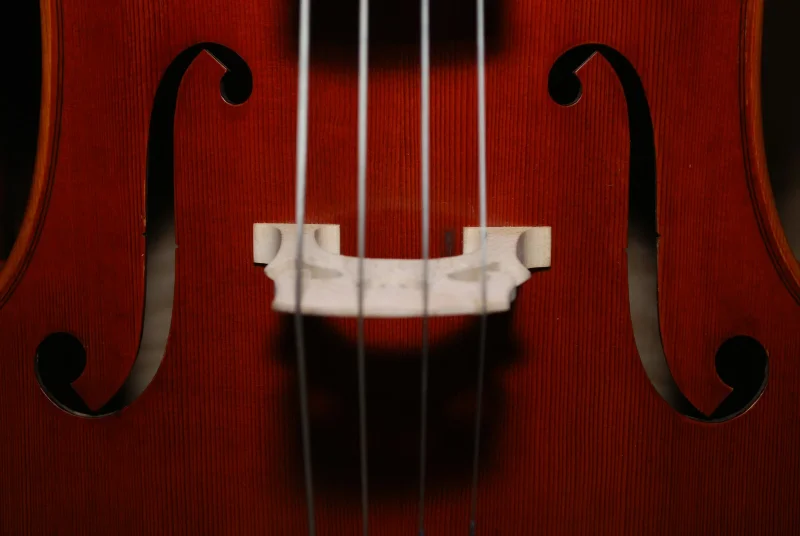
Observing before intervening
A careful assessment
We examine what affects your comfort and the condition of the instrument, then explain the possible interventions.
- Overall condition and joints
- Playability and feel
- Parts to adjust or replace
- Priorities and personalised quote
Three steps to move forward together
Talk
Tell us about your instrument, your playing and the feel you would like to improve.
Work
We carry out the work agreed together once the quote and project stages are approved.
Try
When we hand back the instrument, we review the adjustments and share maintenance tips.
Respecting woods and finishes
Surfaces and joints require appropriate care. We choose our techniques according to the materials, the construction and the condition of the instrument.
- Respect for materials
- Care for finishes
- Work explained
- Advice for what comes next
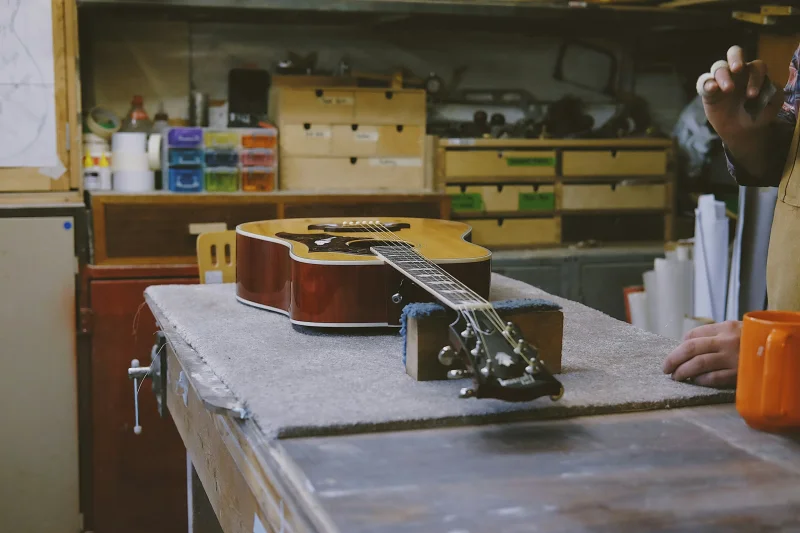
Handcrafted work at the bench
Caring for an instrument means allowing it to continue its musical story.
Let’s talk about your instrument
A repair project, a setup or a new creation to imagine? Let’s meet at the workshop to discuss it.